Then and Now: Spotlight on Metcalf Avenue
Posted on Thursday, August 27th, 2026 by Affinis CorpIn Roadway, tagged in
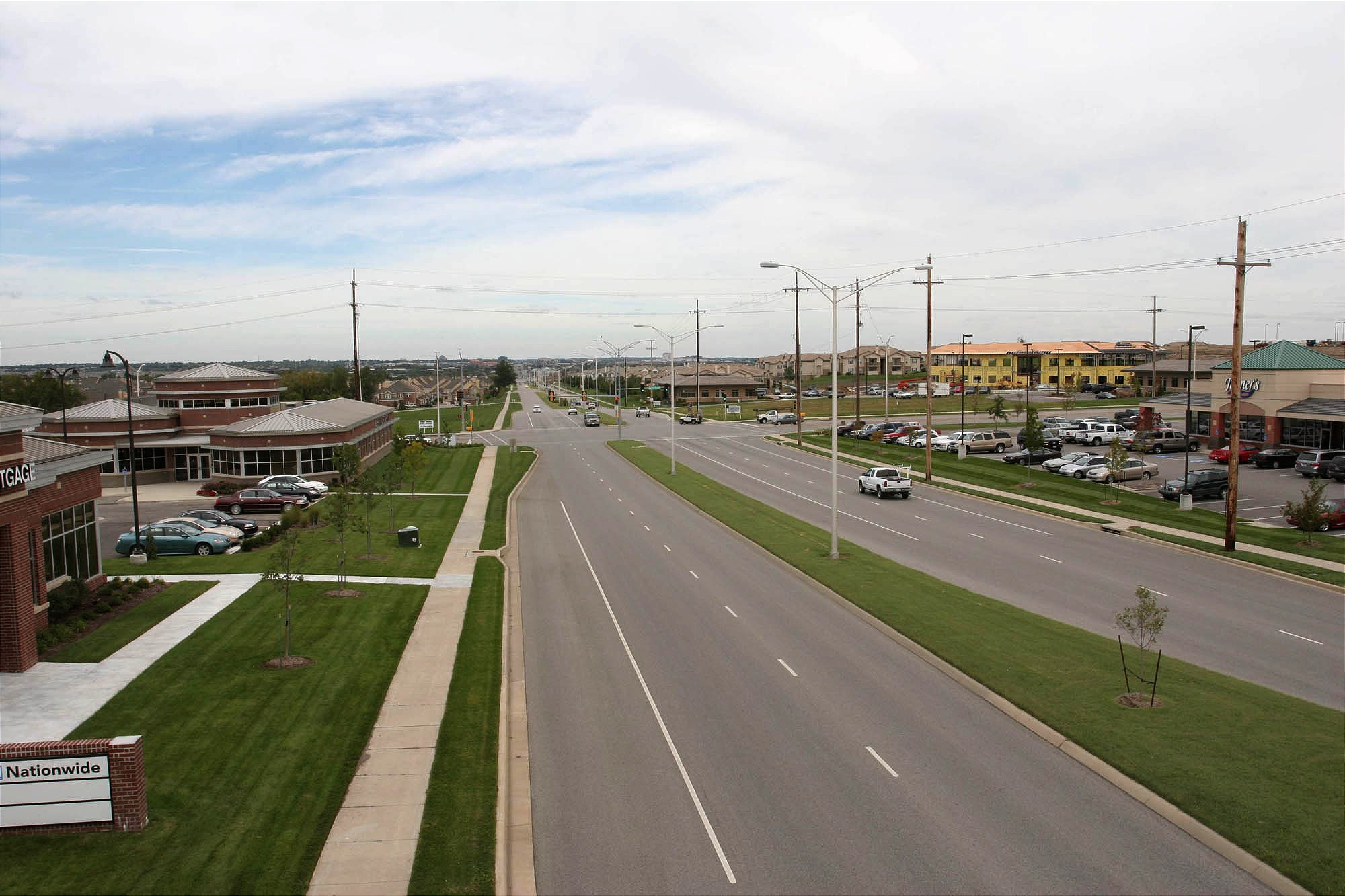
For years, our firm has had a close partnership with the City of Overland Park, working with them to support economic growth and enhance quality of life through strategic infrastructure improvements. While we’ve completed a wide variety of projects together, our work on Metcalf Avenue stands out.
Our Roadway Team recently completed a project on Metcalf between 91st and 99th Street, but two decades ago, we were making changes to a southern section of this arterial. As part of our 25th Anniversary, we’re excited to look back and consider how this area has changed.
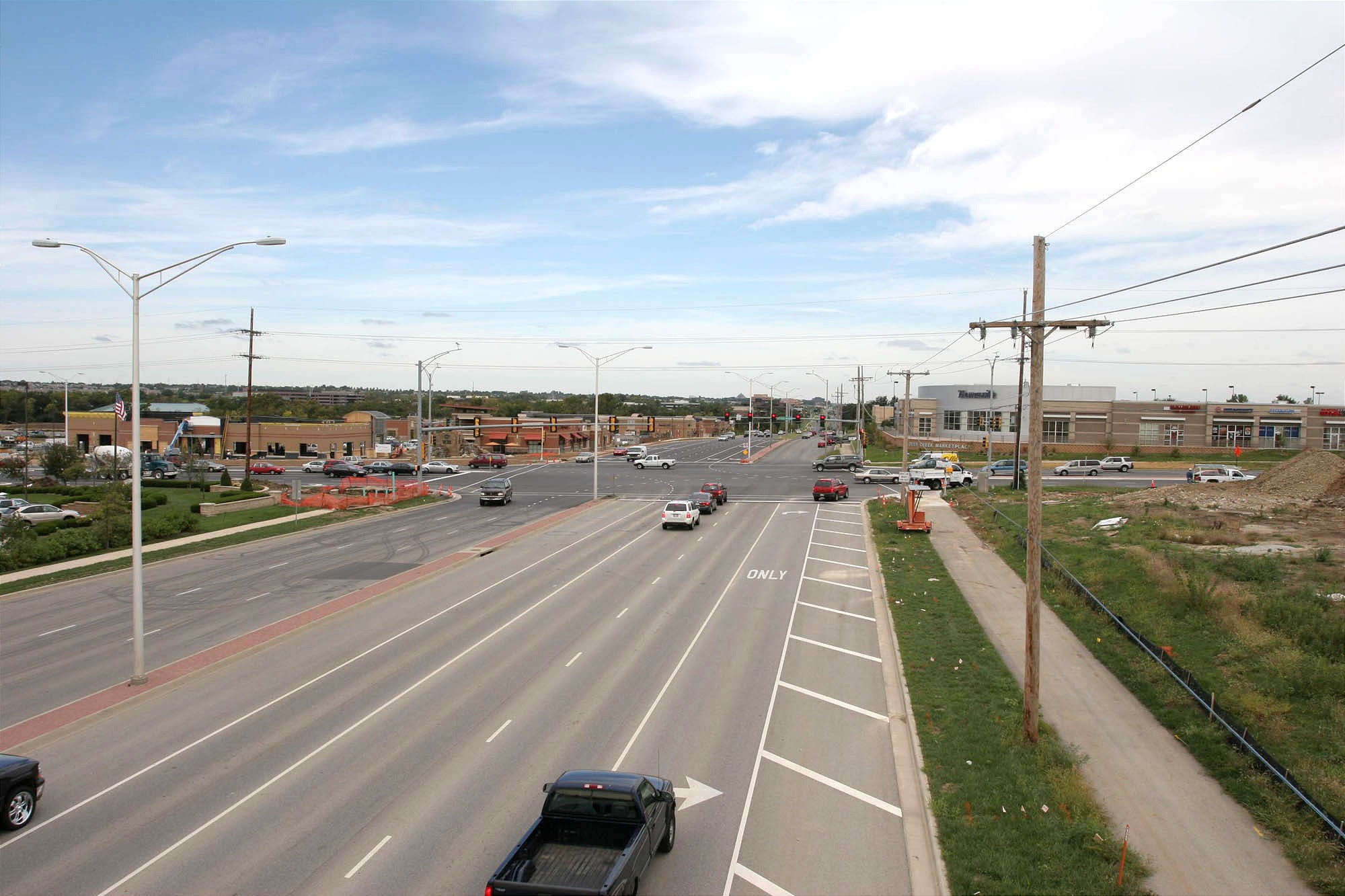
Two years after Affinis was founded, we completed work on the Metcalf Avenue Improvements from 135th Street to 151st Street. Our new business was beginning to change and so was this growing area. At the time, development was blossoming along the corridor.
“When we were designing this project, the area was predominately residential. It had some commercial businesses at major intersections, but there were still pockets of undeveloped land along the corridor. The City had seen an increase in traffic and knew they were on the cusp of major changes here,” said John Thomas, Co-Founder of Affinis.
Overland Park wanted to improve capacity and safety from 135th Street to 151st Street. Our team was tasked with transforming the two-lane ditch roadway into a divided 4- to 6-lane roadway. To achieve their vision, we added lanes to increase capacity, added center medians to promote safety, and upgraded the storm sewer system to accommodate eliminating the existing ditch drainage. Gaps in the sidewalk system were completed, enhancing pedestrian access and safety. Portions of the project also incorporated a new 8-foot-wide, multi-use trail, which was unusual for the time. These changes supported the City’s vision and more effectively accommodated the area’s increasing traffic volume.
One of the keys to this project’s success was our citizen involvement program. We used four tools: public meetings, newsletter, frequently asked questions sheets, and a project website.
“Public outreach was a critical component of this project. Our goal was to make sure people understood what was happening and why. In fact, one week after the roadway was closed to construction, the City had received only one question about the project, which was incredible,” said Thomas.
The completed section attracted new businesses and residents in 2003 and continues to do so in 2026. Thomas said, “The best reference for the success of this project is how it has continued to pave the way for future commercial development in the corridor. The changes to the area did not stop 20 years ago with the completion of this project. Instead, the thoroughfare continues to support economic development, enhancing quality of life for residents today and into the future.”